
Introduction
Ever wonder how people seem to get ahead financially without living like a monk? The answer usually isn’t a secret income source, it’s smart money habits that keep your cash moving in the right direction, month after month. If you want long-term financial freedom, you need systems that guide your spending, saving, and investing, even when motivation drops.
Smart Money works best when it turns decisions into routines. Instead of relying on willpower, you set up simple rules, like tracking your spending, automating savings, and planning for surprises. And once those habits are in place, your money can grow through compounding, not just through one-time good months.
Key Takeaways
- Track spending with a simple money map to reveal “invisible leaks” like forgotten subscriptions, fees, and impulse buys.
- Automate saving and bill payments (paycheck-to-purpose) to build consistency, reduce stress, and prevent late fees and surprise interest.
- Build an emergency fund as a stability buffer so one bad month doesn’t trigger panic decisions or high-interest debt.
- Pay down high-interest debt strategically since carrying it each month costs real money and can block progress.
Smart Money Habit #1: Track Spending to Know Where Money Actually Goes
Before you can fix a money problem, you have to see it. Tracking spending doesn’t mean you judge yourself or obsess over every purchase, it just shows where your money actually goes. Start with a simple “money map” made of categories like housing, groceries, transport, dining out, and lifestyle spending. Then add recurring costs, like subscriptions, memberships, and any fees that quietly show up each month.
Once you have that map, you’ll spot “invisible leaks” fast. Subscriptions you forgot about, small bank fees, delivery orders, and impulse shopping are usually the culprits. Many people are surprised that a few small leaks add up to a big number over a year. If you want a quick starting point, review the last 30 days of transactions, circle anything you didn’t truly choose, and decide what to cut, downgrade, or cap.
- Create categories that match your real life, not a generic budget spreadsheet.
- List recurring costs separately so you can see what you’re committed to.
- Watch for “set-and-forget” charges like subscriptions and service fees.
Paying attention to where your money actually goes is the first step toward saving before spending and investing before upgrading your lifestyle.
Smart Money Habit #2: Automate Saving and Bill Payments
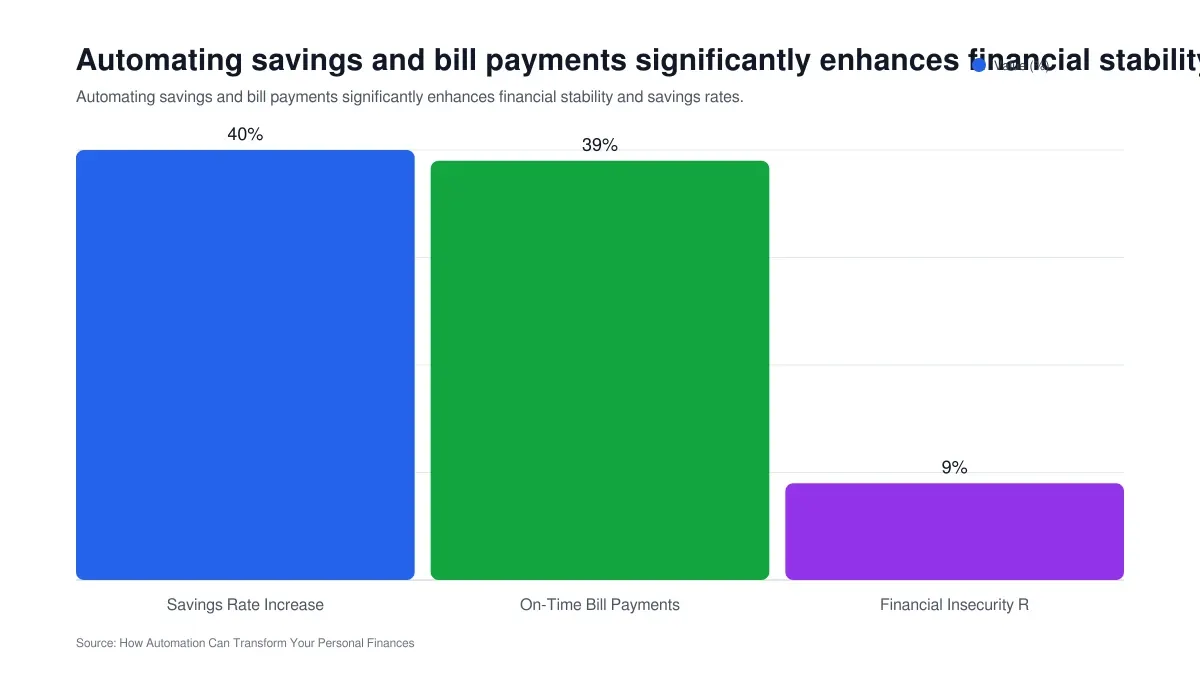
Tracking helps you understand your money. Automation helps you keep promises to yourself. A great approach is paycheck-to-purpose automation, meaning you set up transfers that send money to savings, bills, and investing before most of your spending happens. When saving happens first, you’re less likely to “accidentally” spend what you meant to set aside.
Automation also reduces stress because your bills become predictable. Instead of scrambling and risking missed due dates, you can align payments with your payday schedule. This matters because late fees and surprise interest costs can quickly undo progress. If you’re currently behind on bills, you can still automate something small, like a partial payment or a minimum transfer, while you build a stronger plan.
| Money Job | What To Automate | When To Run It | Why It Helps |
|---|---|---|---|
| Bills | Minimum or scheduled payments | 1 to 3 days after payday | Fewer missed due dates, less stress |
| Savings | Fixed transfer to an emergency fund | Right after payday | Saving happens before spending |
| Investing | Recurring contribution to a retirement or brokerage account | Weekly or monthly | Steady growth through compounding basics |
- Pick a “small but automatic” amount if you’re not sure you can afford it yet.
- Use alerts for low balances so automation doesn’t create overdrafts.
- Revisit your auto transfers once your income or expenses change.
Smart Money Habit #3: Build an Emergency Fund for Stability
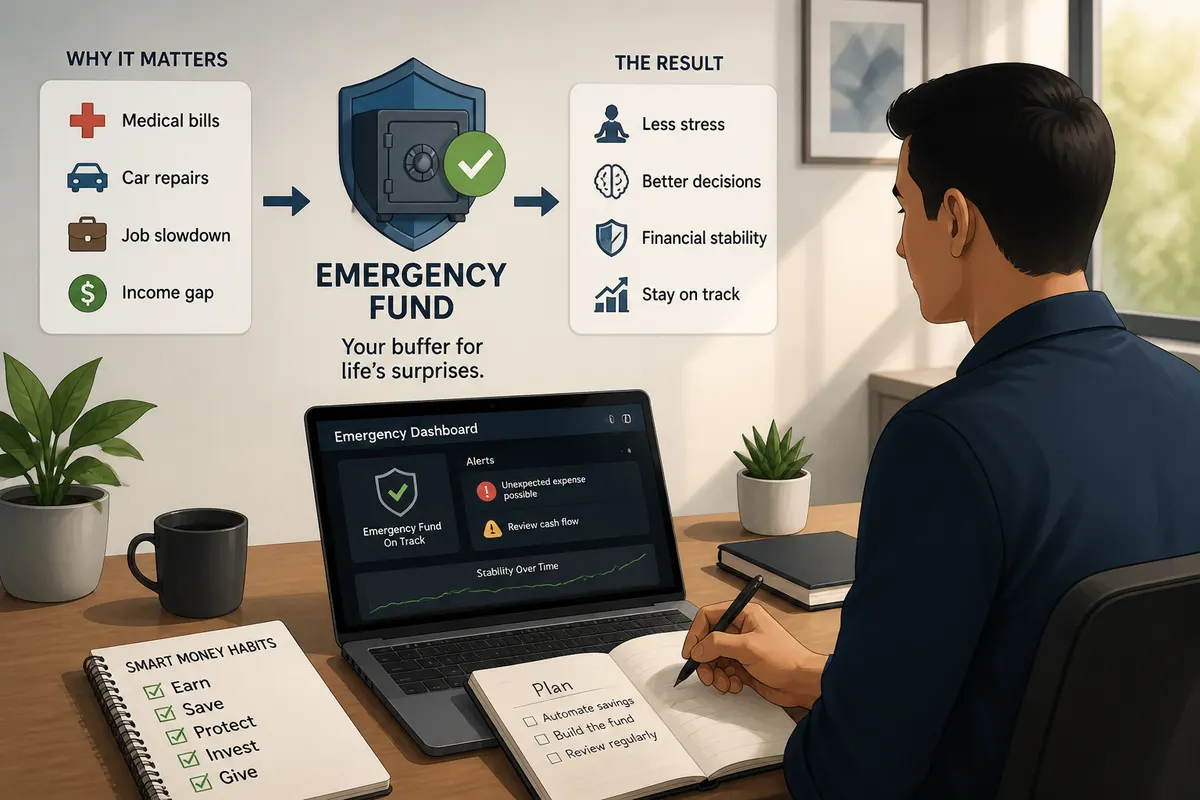
An emergency fund is what keeps one bad month from turning into a long financial mess. Think of it as a buffer for things like a medical bill, car repair, job slowdown, or temporary income gap. The goal isn’t to make life perfect, it’s to avoid panic decisions when life happens. Many smart money plans start with emergency savings because stability makes every other habit easier.
To choose a target, look at your real expenses and your job risk. If your monthly spending is stable and your job is secure, you might start with a smaller cushion. If your income is variable or you have higher job risk, you’ll want a bigger buffer. A common starting target is “one month of essentials,” then build from there. Just as important, store it somewhere safe and easy to access, like a high-yield savings account, so you can get the money quickly without taking a loss.
- Start with a target you can reach within a few months, not years.
- Use a separate account so you don’t dip into it for normal spending.
- Keep it accessible but not too accessible, meaning no credit cards or risky investments.
Stability first means fewer emergency expenses turning into high-interest debt later.
Smart Money Habit #4: Pay Down High-Interest Debt Strategically
Debt can be useful sometimes, but high-interest debt is usually a financial anchor. If you have credit card balances, some personal loans, or other debt with high rates, every month you carry it costs you real money. That’s why the “smart” move is often to pay that debt down strategically, not just make minimum payments forever.
Choose a payoff method that fits your mindset. The debt avalanche method focuses on highest interest first, which can reduce the total interest you pay. The debt snowball method focuses on smallest balance first, which can boost motivation by delivering quick wins. Either method can work if you’re consistent. What matters most is setting a clear payment plan and making it automatic when possible, so you don’t rely on willpower.
- Use avalanche if you want the math-driven path to lowest interest cost.
- Use snowball if you need fast wins to stay motivated.
- Before you celebrate a payoff, pause and check your spending triggers.
Also, avoid re-accumulating debt by tightening spending triggers. If you tend to overspend on weekends, adjust the budget for that period. If you use credit cards for everything, consider switching to a system where you can only spend what’s already in your budget. It’s the habit, not just the payment, that keeps your progress alive.
Smart Money Habit #5: Invest Consistently for Compounding Growth
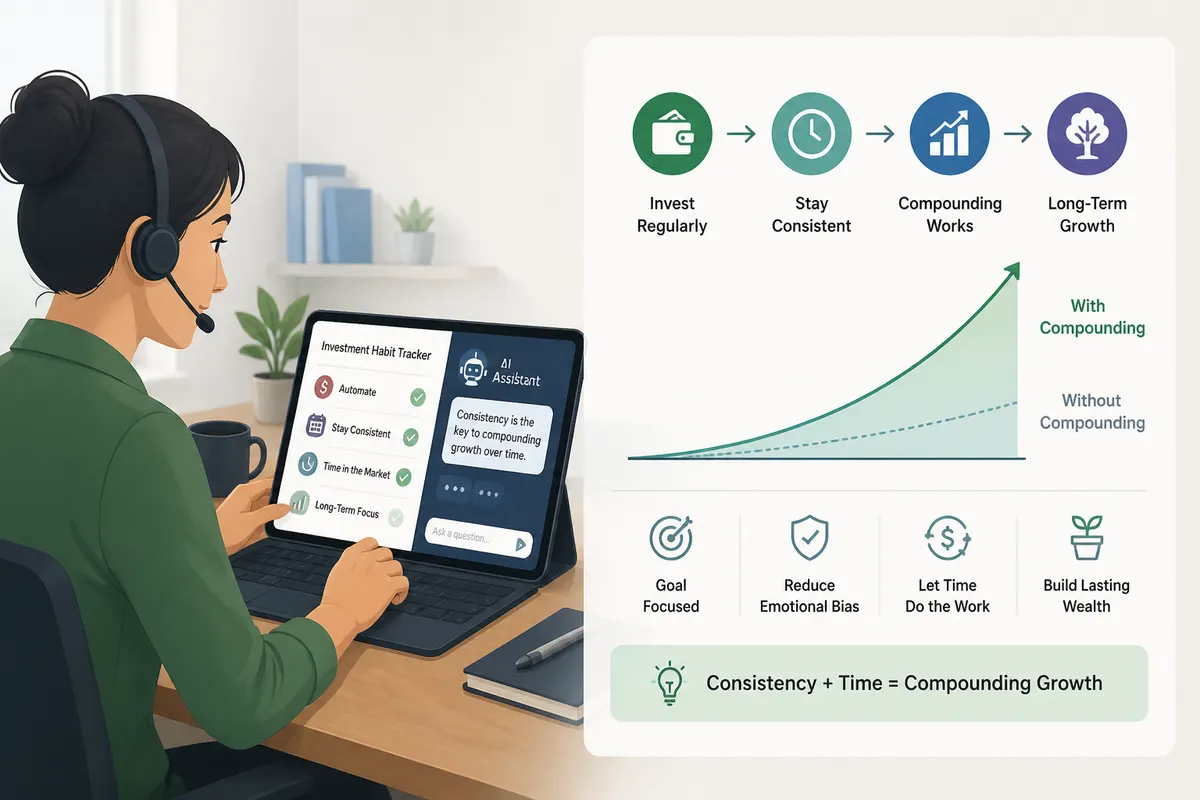
Once your spending leaks are under control, and you’ve built some emergency stability, investing becomes the engine behind long-term growth. The key idea is compounding, which means your investment growth can build on itself over time. You don’t need perfect timing. You need consistency, and you need to invest in a way that matches your time horizon.
Match investments to what you’re saving for. Short-term goals, like a planned move or major purchase in the next few years, usually call for safer options. Long-term goals, like retirement, can generally handle more market ups and downs. To reduce decision fatigue, use recurring contributions, like monthly investing, and stick to diversified basics rather than trying to pick winners every week.
- Pick an amount you can sustain, then automate it.
- Set expectations for risk based on when you’ll need the money.
- Lean into diversified options so one bad year doesn’t derail your plan.
Recurring contributions turn investing into a habit, not a stressful weekly decision.
Smart Money Habit #6: Review Finances Monthly and Adjust Without Panic
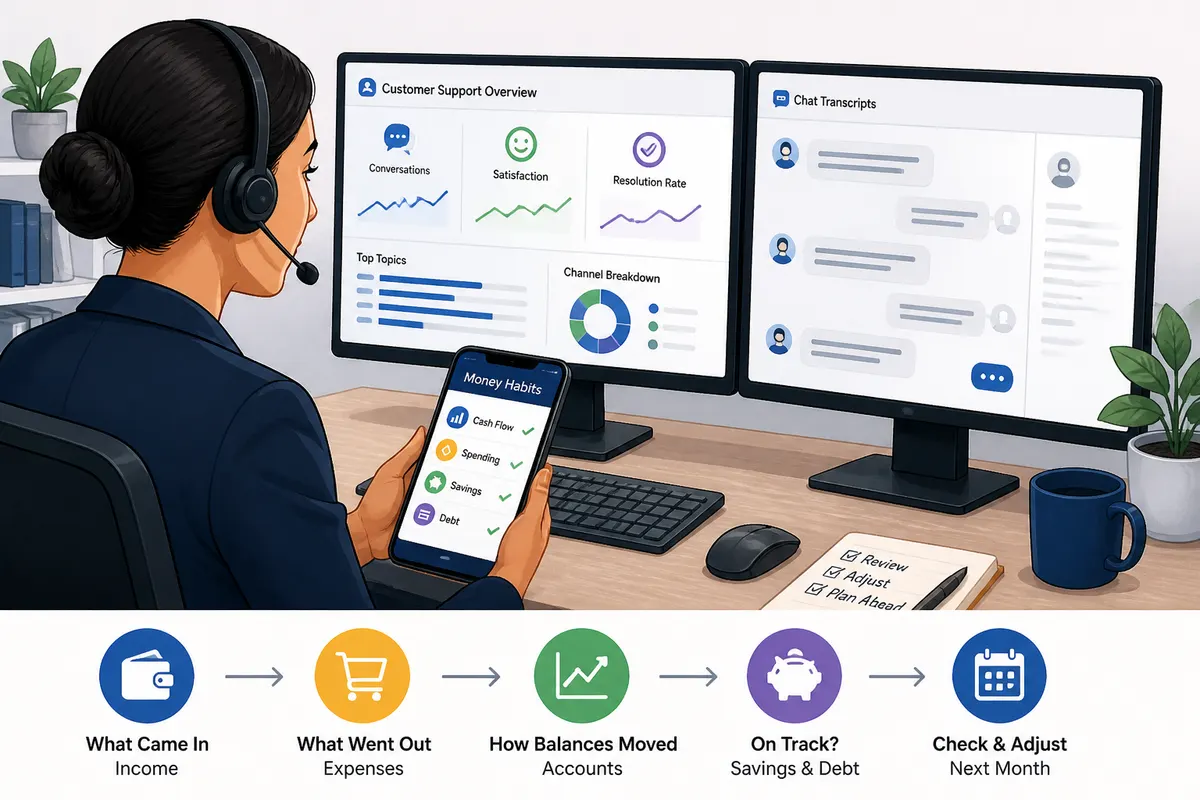
Even the best plan needs a check-in. A monthly review helps you understand cash flow, see progress, and catch upcoming changes before they surprise you. Keep it simple: look at what came in, what went out, how your balances moved, and whether your savings and debt payments are on track. This is also the time to check upcoming bills, renewals, and any changes in your income or expenses.
Then make small course corrections without panic. If your spending is drifting, adjust a spending limit for the next month. If your savings rate feels too slow, raise the automated transfer slightly. If your debt payoff plan is off, review why, then tighten the triggers that caused overspending. The goal is to improve the system, not blame yourself for human moments.
- Do a quick cash-flow snapshot, not a deep audit that takes hours.
- Compare your current numbers to your plan, then pick one adjustment.
- Track risk controls, like keeping an emergency fund separate from spending money.
Conclusion
Smart money habits build long-term financial freedom because they turn money into a system you can trust. Tracking spending reveals where money actually goes, automation helps you save and pay bills without relying on willpower, and an emergency fund keeps surprises from becoming debt. From there, paying down high-interest balances and investing consistently give your plan real momentum through compounding.
Your next step is simple. Pick one habit to improve this week, then commit to a small change you can repeat. Maybe you’ll create your first spending map, set an auto transfer for savings, start an emergency fund goal, or schedule your next monthly money check. Once you build one habit, the others get easier, and that’s how progress starts to feel automatic.