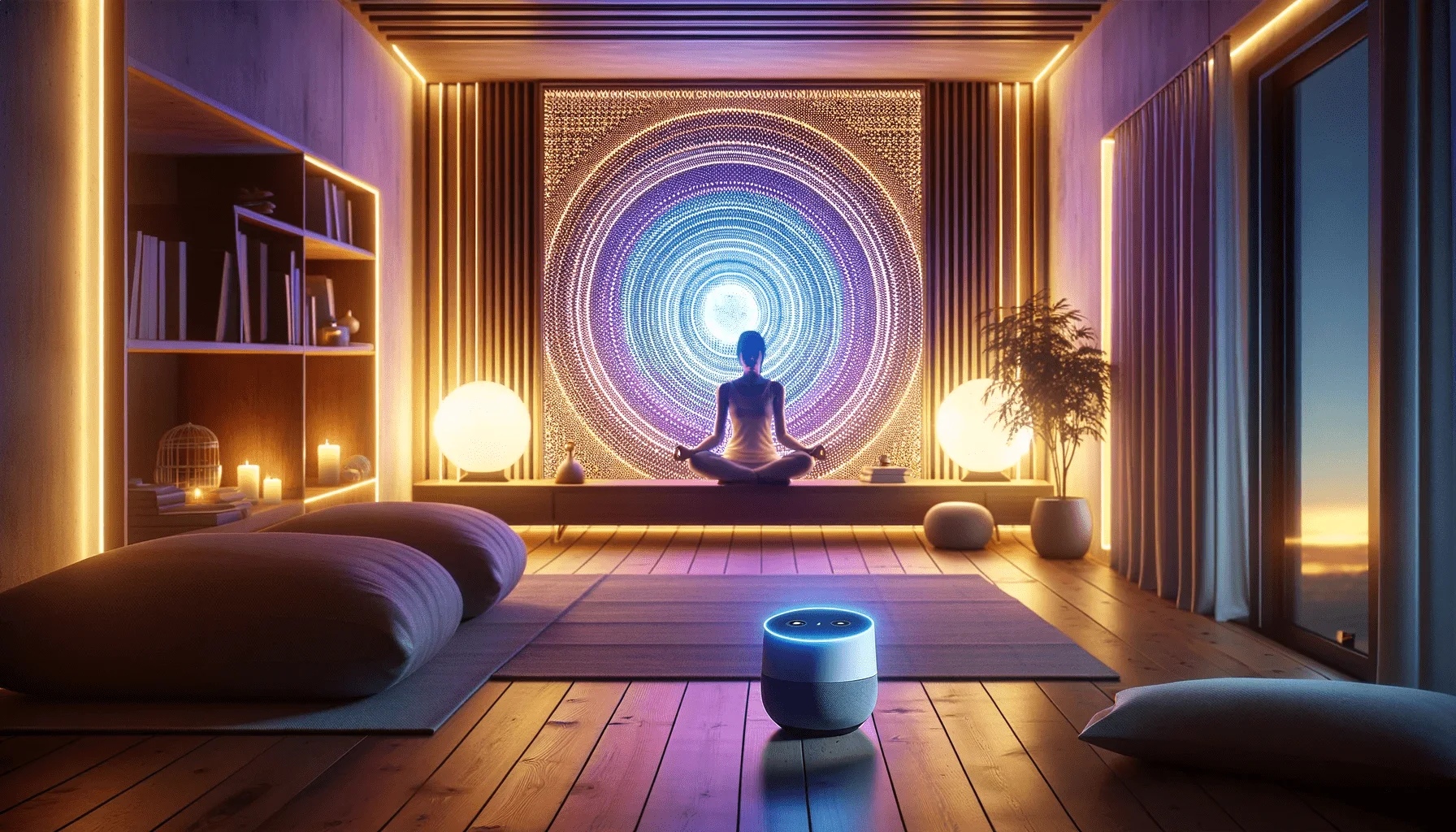
The pandemic has accelerated the adoption of home wellness technologies, merging the boundaries between healthcare and home comfort. With the surge in health consciousness, individuals are now turning towards advanced tech solutions to maintain and monitor their wellness right from their living rooms. This article explores the rise of home wellness technologies, focusing on how they contribute to a holistic approach to health and well-being.
Smart Wearable Tech:
The next generation of wearables, set to gain traction in 2023, goes beyond just tracking steps or heart rate. These devices are now capable of analyzing a wide range of physiological data including blood sugar, respiration rates, blood pressure, temperature, and pulse oxygen. Notably, smart swimsuits like Neviano can even alert users about high UV levels, reminding them to apply sunscreen. These advancements not only enable individuals to track their health metrics but also provide actionable insights for better wellness management1.
Virtual and Augmented Reality Fitness:
Virtual Reality (VR) and Augmented Reality (AR) are transforming home workouts into immersive experiences. These technologies provide access to virtual instructors, real-time feedback, and gamified workout sessions, making exercising at home more engaging and effective. The rise of fitness apps in the metaverse is a testimony to the growing popularity of virtual fitness regimes1.
Personalized Fitness Apps:
Leveraging Artificial Intelligence (AI), fitness apps now offer personalized workout recommendations based on individual health levels and goals. Companies are also exploring exercise and wellness genetics to provide personalized advice on diet, exercise, and lifestyle changes, catering to the unique needs and preferences of individuals1.
Smart Home Wellness Systems:
Water and Air Purification:
Smart water filtration systems mitigate the risk of water contamination, ensuring the purity of water in homes. Similarly, AI-powered air purification systems are becoming a staple in creating a healthy home environment 23.
Monitoring Environmental Contaminants:
Advanced smart home systems enable families to monitor and manage invisible contaminants in their homes, promoting a cleaner and safer living environment 4.
Lighting Optimized for Circadian Rhythms:
Adapting lighting systems to follow circadian rhythms enhances sleep quality and overall well-being. Smart lighting solutions that align with natural sleep-wake cycles are part of the broader movement towards creating healthier living spaces3.
Conclusion:
The blend of advanced technologies with home wellness initiatives is reshaping how individuals approach health and fitness. As these tech solutions become more accessible, the home is set to become the new wellness hub, empowering individuals to take charge of their health in a comfortable, convenient, and tech-savvy manner.