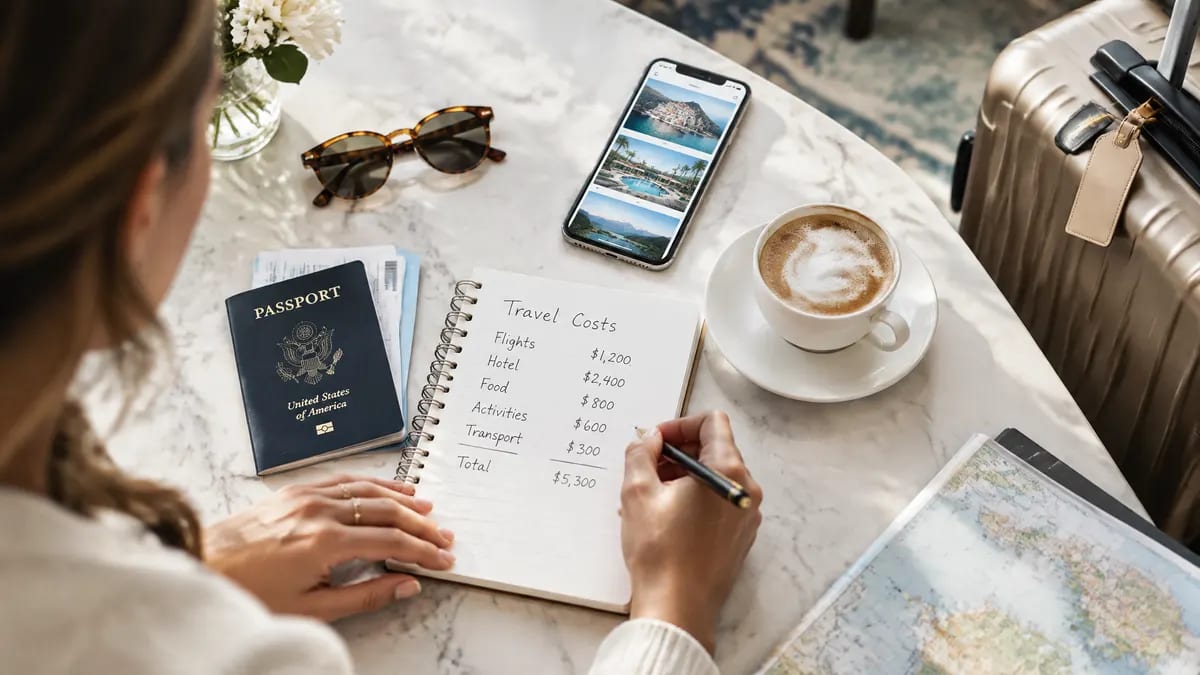
Introduction
Luxury travel has changed from a narrow idea of grand hotels and first-class tickets into a more personal mix of comfort, access, and memorable experiences. Today, one traveler may value a quiet suite and a private guide, while another would rather spend on exceptional meals and a slower itinerary. That shift makes a thoughtful budget more useful than a fixed definition of luxury.
To build a luxury travel budget that fits your plans, start with the experiences you care about, then price the practical details around them. You’ll learn how to estimate transport, lodging, dining, activities, and essential costs before setting a daily spending plan. The aim isn’t to spend more; it’s to make deliberate choices, protect your financial comfort, and know where your money is going before you book.
Key Takeaways
- Budget around your priorities: Set a comfortable limit for the full trip, then fund the experiences that matter most before considering upgrades or optional extras.
- Compare transportation by total cost: Price the round trip and account for baggage, seat selection, transfers, connections, and local transport not just the headline fare.
- Use the full lodging price: Compare options for the same dates and guest count, including taxes, fees, cancellation terms, and amenities you will actually use.
- Plan meals and activities as separate categories: Reserve funds for standout dinners and meaningful experiences, while balancing them with flexible meals and comparing private options with shared alternatives.
- Include practical essentials before discretionary spending: Check insurance coverage and exclusions, and verify entry requirements and related charges with official sources before departure.
How to Build a Luxury Travel Budget Around Your Priorities
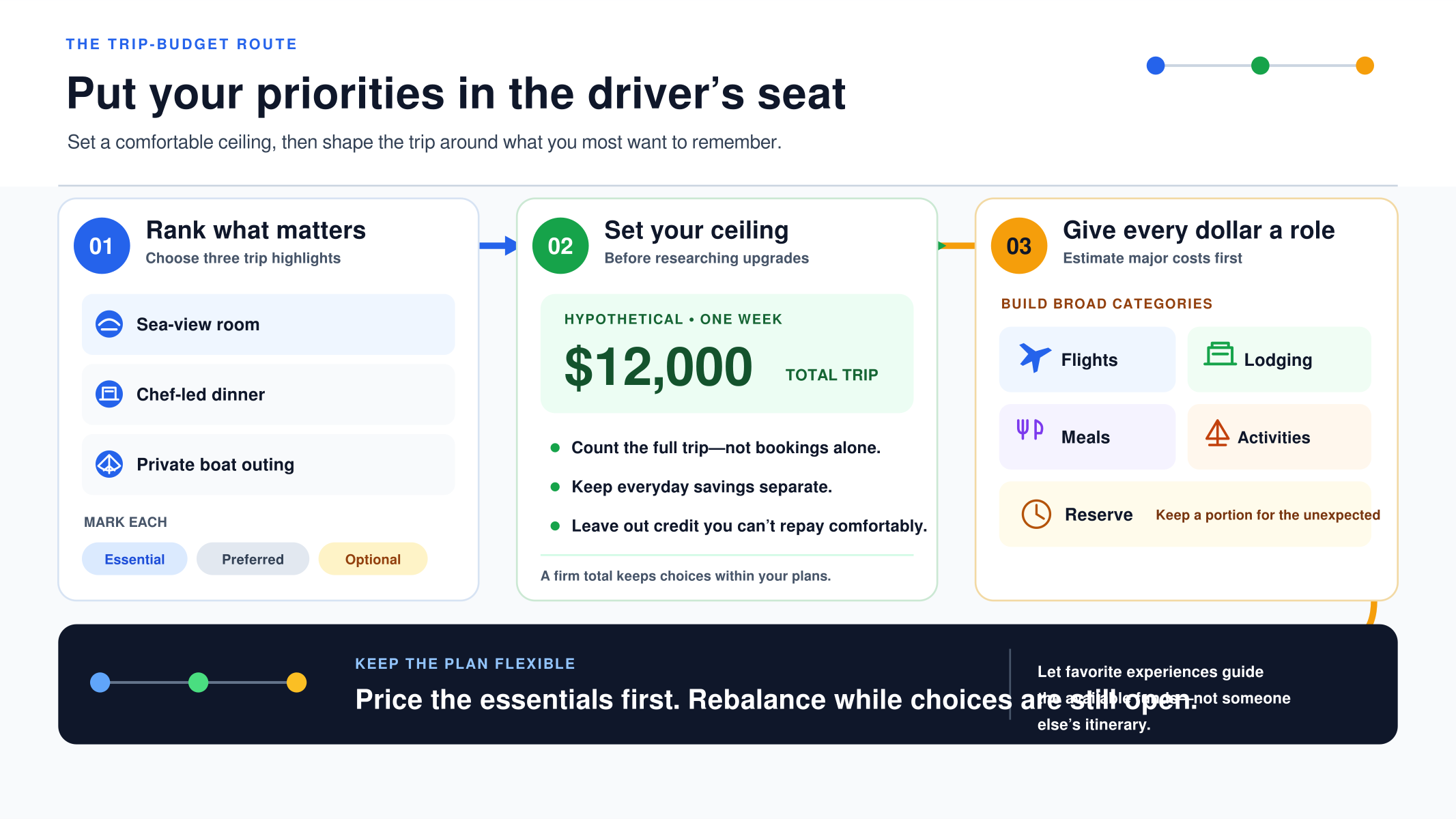
Begin by setting a trip-wide limit that feels comfortable after you account for regular bills, savings, and other plans. Then divide it into broad categories and give your favorite experiences first choice of the available funds. A luxury travel budget works best when it reflects your priorities instead of copying someone else’s itinerary. Use this sequence to keep decisions clear:
- Choose the experiences that matter most, such as a special hotel or guided visit.
- Set your maximum spending limit before researching upgrades.
- Estimate major costs, then adjust the plan while choices remain flexible.
Choose the Experiences That Matter Most
List the three parts of the trip you most want to remember. They might be a sea-view room, a chef-led dinner, and a private boat outing. Mark each as essential, preferred, or optional, then price the essentials first. This ranking helps you avoid spending heavily on a room upgrade that matters less than the destination experiences you came to enjoy.
Set a Comfortable Total Spending Limit
Set a ceiling that includes the full trip, not just bookings. If you’re planning a hypothetical week away with a $12,000 limit, assign money to flights, lodging, meals, activities, and a reserve before choosing specific options. Keep the total separate from everyday savings, and don’t count credit you can’t comfortably repay. For help aligning travel goals with broader finances, see Truist’s luxury travel planning guidance.
Estimate Transportation Costs Before Choosing Your Dates
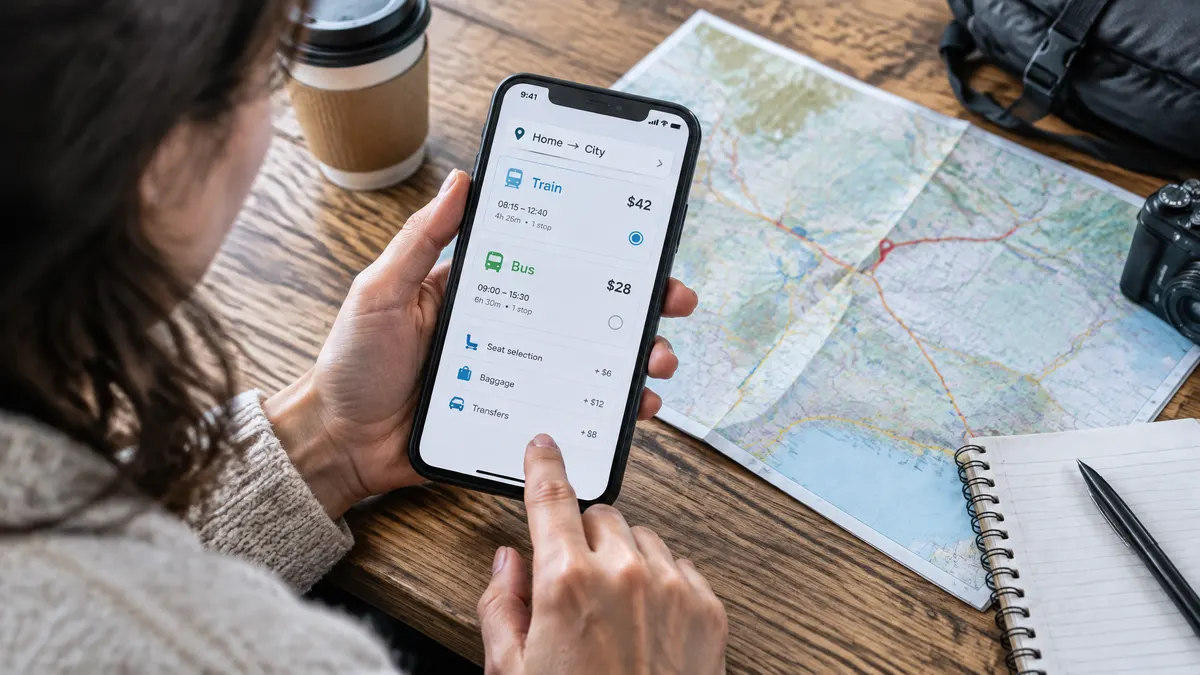
Price the journey from your home to the destination and back before you lock in travel dates. Compare the total cost of each route, including seat selection, baggage, airport transfers, and likely connections. A seemingly lower fare may require a long layover or extra overnight stay, while a convenient departure can preserve more time for the trip itself.
Compare Business-Class, First-Class, and Premium Economy
Compare the cabin by what it gives you, not its label. Premium economy may provide extra space and a more restful journey at a lower cost than business class; first class can be worthwhile if its added privacy or service is a top priority. Check the fare rules and what’s included. If an upgrade costs $1,500 more per traveler, ask whether that amount would create greater value as an extra hotel night or guided experience.
Include Private Transfers, Rail, and Local Transport
Add the first and last legs, not only the flight. Price a private airport transfer beside a taxi, train, or hotel car, and check whether luggage or late arrivals affect the choice. For multi-stop trips, include rail tickets, local drivers, parking, and rides between hotels. A simple comparison helps:
| Transport choice | Budget for | Best fit |
|---|---|---|
| Private transfer | Vehicle, waiting time, gratuity | Door-to-door ease or group travel |
| Rail or public transit | Tickets, seat reservations, local connections | City routes with convenient stations |
| Rental car | Rental, fuel, parking, insurance | Flexible routes outside major cities |
Build a Realistic Accommodation Budget
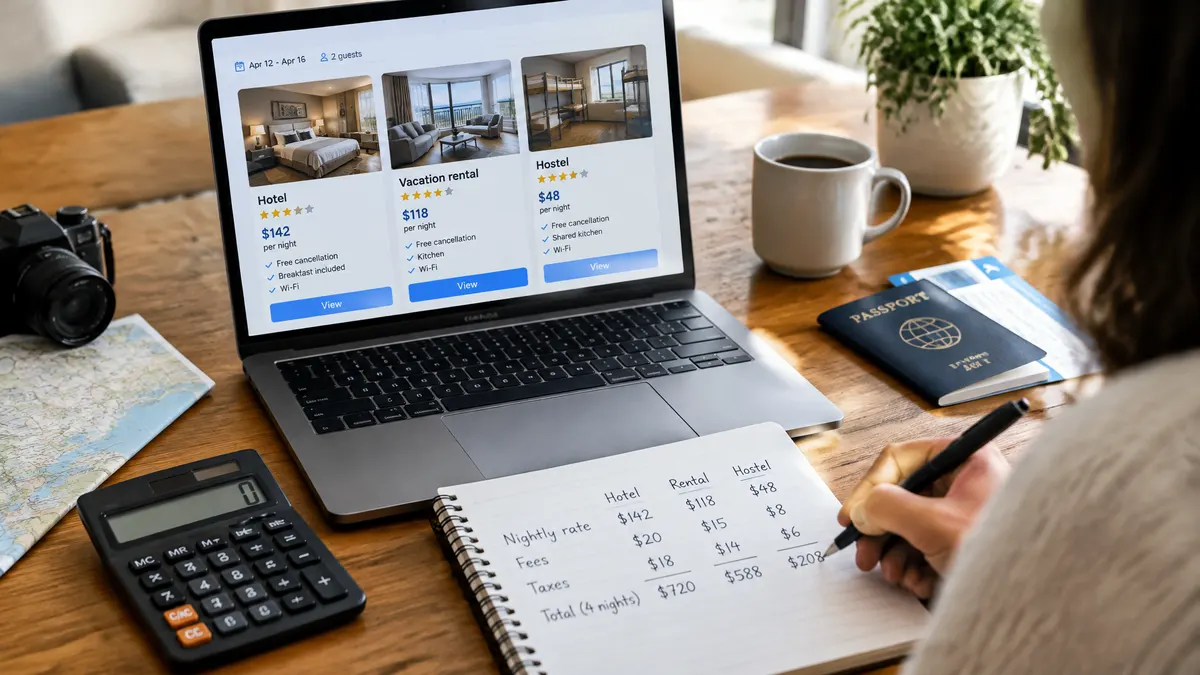
Compare lodging by the total cost of your stay rather than the nightly headline rate. Search for the same dates and guest count, then note room category, cancellation terms, taxes, and included services. A central hotel can reduce daily transport costs; a larger room may be useful when you’re traveling with family. Use the AAA overview of luxury travel as a reminder that comfort can come from thoughtful planning, not only expensive upgrades.
Compare Hotel Rates by Room Type and Season
Compare standard rooms, suites, and connecting rooms against your actual needs. A suite may offer space for a longer stay, but if you’ll spend most of the day exploring, a well-located standard room could leave more room for activities. Check rates across nearby dates and different lengths of stay. For a five-night visit, compare the full total for each room type, not one night multiplied without checking the hotel’s date-specific pricing.
Account for Taxes, Resort Fees, and Included Amenities
Read the final booking screen and ask the property about charges that aren’t clear. Resort or destination fees, breakfast, parking, and spa access can change the value of an offer. If breakfast is included, estimate whether you’d otherwise pay for it; if a fee covers services you won’t use, don’t treat it as a saving. Record the checkout total and cancellation deadline in your budget tracker.
Plan a Dining Budget for Everyday Meals and Special Occasions
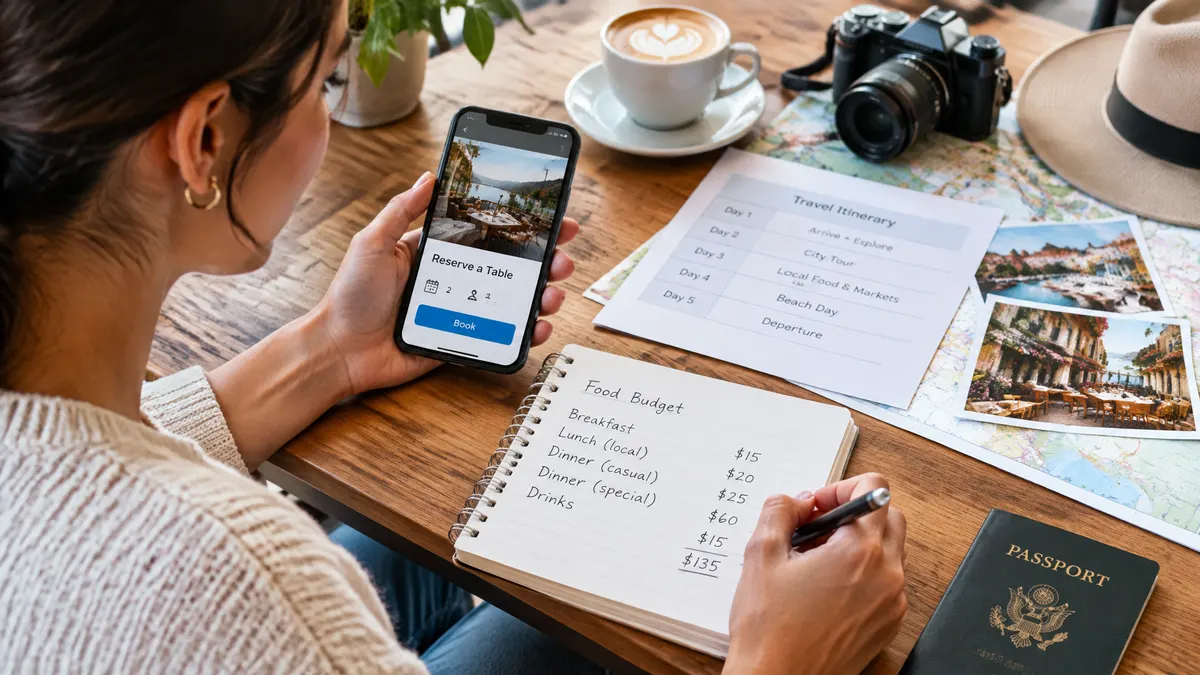
Plan meals around the rhythm of your itinerary. Reserve a portion for casual lunches and local favorites, then choose the special dinners that make the trip distinctive. This balance can deliver variety without turning every meal into a high-cost event. Look at menus before booking and include drinks, taxes, service charges, and transport back to your hotel.
Balance Fine Dining with Casual Local Restaurants
Choose the dining experiences you most want, then keep other meals flexible. A tasting menu might be the highlight of one evening, while a neighborhood café or market lunch gives you a relaxed taste of local life. For a six-day trip, you might plan two destination dinners, several sit-down meals, and simpler breakfasts. Adjust the mix to your schedule, appetite, and preferred pace.
Budget for Drinks, Tasting Menus, and Service Charges
Check whether a menu price includes a set number of courses, drinks, or service. Add a separate amount for wine, cocktails, room service, and snacks between meals. When a restaurant lists optional pairings, compare the full meal total before confirming the reservation. Also check local tipping customs so you can plan respectfully without assuming the same practice applies everywhere.
Set Aside Money for Tours, Wellness, and Unique Experiences

Give activities their own category instead of paying for them from whatever remains. List the excursions, wellness visits, performances, and special-access options you’re considering, then confirm availability and what each price includes. Private formats can save time or suit a group, while shared tours may offer the same core experience for less. Check schedules before arranging transport or meals around an activity.
Spend deliberately on experiences that are difficult to recreate, and keep routine conveniences in proportion to the value they add to your specific trip.
Price Private Guides and Bookable Excursions
Ask whether a quoted guide fee covers your whole party, transport, admission, and waiting time. Compare a private guide with a small-group option, especially for museums, food tours, or day trips. If a private outing costs $600 for four travelers, the per-person cost is $150 before extras; that may compare differently with separate tickets and transport. Confirm the cancellation terms before paying.
Include Spa Treatments, Events, and Special Access
Price wellness appointments, event tickets, and access packages separately. A spa treatment may require a service charge or facility fee, while a concert ticket may involve delivery or transport costs. Add only the extras you’ll genuinely use, and leave open time between scheduled activities. For destination inspiration, NPR’s travel-planning discussion offers a useful perspective on making choices in advance.
Account for Travel Insurance, Entry Fees, and Other Essentials

Build a practical essentials category before calculating discretionary spending. Check whether your existing insurance covers the trip, then compare suitable travel policies and their exclusions. Look up entry requirements through official government sources, since visa rules and documentation can depend on your nationality and itinerary. The U.S. Department of State travel site is one starting point for U.S. travelers; use the relevant authority for your own passport.
Check Insurance, Visa, and Destination Requirements
Review coverage for medical care, trip interruption, baggage, and pre-existing conditions, as applicable to your situation. Confirm whether planned activities need special coverage, and read exclusions rather than relying on a policy summary. Add application charges, entry permits, and required documents to the estimate. Requirements can change, so verify details with official sources before departure, including the destination’s government or consular information.
Add Tips, Connectivity, and Personal Essentials
Include airport Wi-Fi or a local data plan, tips, laundry, toiletries, and any required adapters. These small costs can accumulate over a long itinerary, so give them a realistic allowance rather than treating them as surprises. Check with your mobile provider before travel and compare roaming with an eSIM or local SIM. Keep a small amount available for cash-only services where appropriate.
Choose the Right Travel Season and Booking Strategy
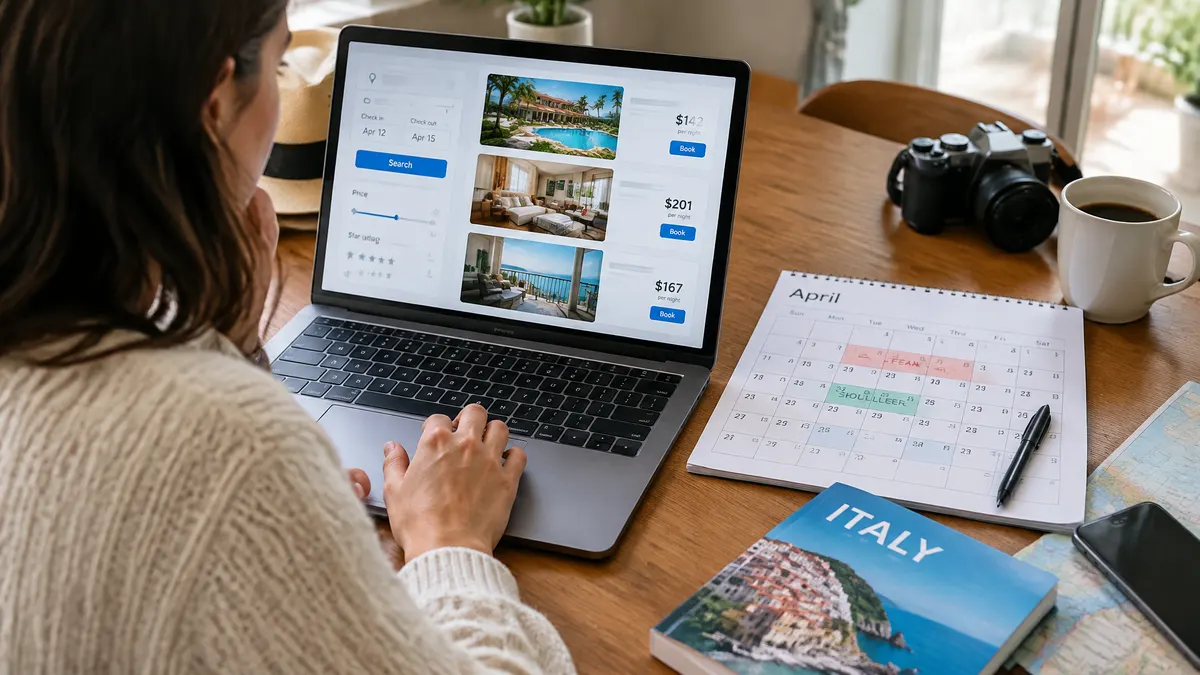
Compare dates before committing to a destination or hotel. Peak periods can bring high demand and fewer room choices; shoulder periods may offer a useful balance of weather, access, and price. Off-season travel can lower some costs but may also mean limited opening hours or less reliable conditions. Check what matters for your destination before choosing dates solely to reduce the bill.
Compare Peak, Shoulder, and Off-Season Prices
Compare the same route and room across several date ranges, then note trade-offs such as weather, crowds, and available experiences. A lower nightly rate can be offset by seasonal transport schedules or attractions being closed. If your dates are fixed by school or work, shift the trip by a day or two when possible and compare the total. Include every traveler’s schedule in the decision.
Use Flexible Dates and Booking Terms to Manage Costs
Check whether a refundable booking is worth its higher price for your plans. Flexible terms can protect you if dates or circumstances change, while a prepaid rate may suit a settled itinerary. Compare the savings with the money you’d risk losing if plans shift. Set calendar reminders for final payment and cancellation deadlines, and keep confirmation details with your travel documents.
Create a Daily Spending Plan and Emergency Cushion
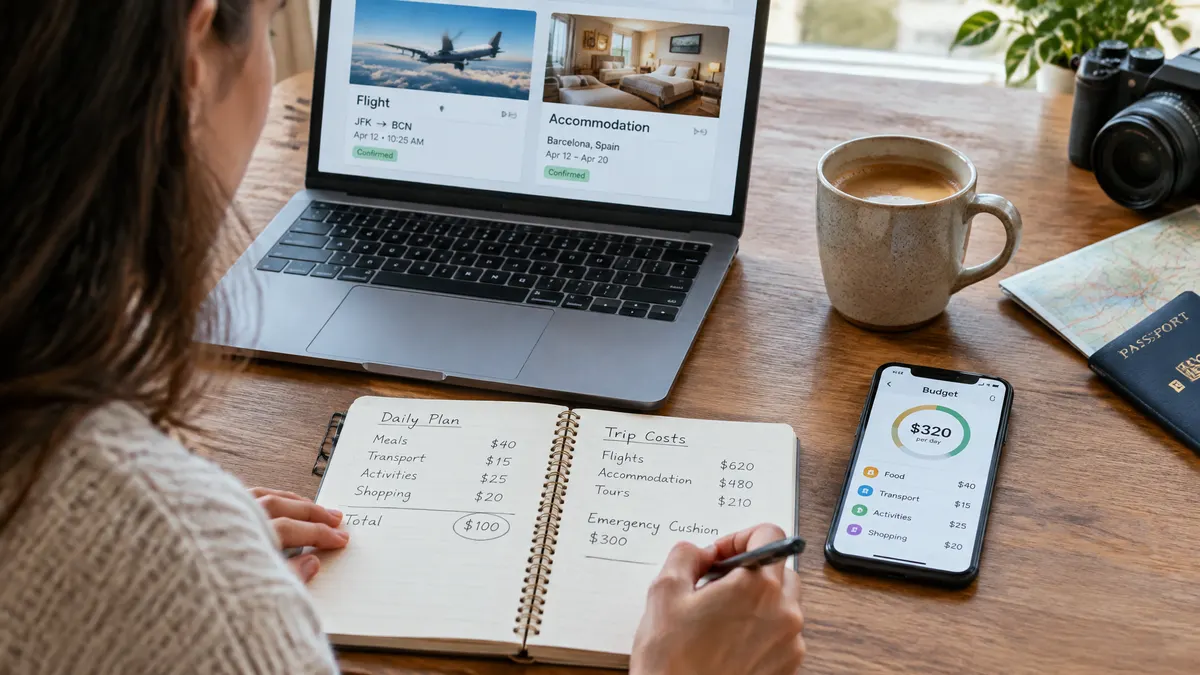
Separate trip-wide costs from daily spending. Flights, accommodation, and pre-booked tours are usually paid in advance; meals, local transport, and shopping happen along the way. Divide the remaining flexible amount by the number of travel days to create a guide, not a strict daily rule. Keep a reserve for unexpected changes, especially when moving between destinations.
Divide Your Budget into Daily and Trip-Wide Costs
Suppose your trip limit is $12,000 and fixed bookings total $8,000. The remaining $4,000 can cover meals, local travel, smaller activities, and shopping. Across eight days, that averages $500 per day, but you might spend more on a planned dinner and less on a quiet day. Track the total across the trip so one expensive day doesn’t distort your decisions.
Reserve Funds for Unexpected Changes
Set aside a cushion that you don’t assign to planned upgrades. It can cover a missed connection, an extra hotel night, urgent transport, or a change in weather plans. Choose an amount that makes sense for your route, health needs, and booking flexibility rather than relying on a universal percentage. Keep access to the reserve separate from your routine spending money, and know how you can reach it.
Track Spending and Adjust Your Budget as You Plan
Use one simple tracker to compare estimated and confirmed costs. A spreadsheet, budgeting app, or notes document can work if it records category, amount, currency, payment status, and cancellation terms. Update it when a booking changes, and convert foreign-currency estimates using a cautious allowance for exchange movement or card fees. A clear view makes trade-offs easier to spot.
Use a Simple Cost Tracker to Compare Options
Create columns for category, option, total cost, what’s included, deadline, and status. Save links or confirmation numbers so you can revisit details without searching through messages. Compare equivalent choices: the same number of nights, similar transport times, and matching cancellation terms. This keeps a low headline rate from looking better when important services are missing.
Reallocate Spending Without Losing Key Experiences
If the estimate rises, protect your highest-priority experiences and look first at flexible categories. You might choose a standard room instead of a suite, shorten a private transfer, or replace one elaborate dinner with a local favorite. Recheck the full trip total after each change. Avoid cutting insurance or essential transport without understanding the risks and practical effects.
Conclusion
A well-made luxury travel budget starts with a personal definition of luxury. Decide which experiences deserve the largest share, set a comfortable spending limit, and estimate the full cost of transport, lodging, dining, activities, and essentials. Then compare options on equal terms, including fees, inclusions, and cancellation rules. This approach lets you build a trip around what you value instead of paying for upgrades simply because they’re available.
Before booking, review the complete estimate and confirm that your emergency cushion remains intact. Keep a record of payment dates, reservations, and costs still to be settled. If the total is higher than you want, adjust lower-priority choices rather than abandoning the experiences that make the trip meaningful. A luxury travel budget that fits your plans is clear, flexible, and grounded in your real priorities. With that foundation, you can book with greater confidence and enjoy the journey without losing sight of your broader financial goals.
Frequently Asked Questions
Frequently Asked Questions
How much extra should I set aside for unexpected costs on a luxury trip?
Is travel insurance worth including in a luxury travel budget?
When does it make sense to use a travel advisor for a luxury trip?
How should I budget for tips and service charges when traveling abroad?
What foreign-currency costs should I check before an international luxury trip?
Are travel points and miles really a way to save on a luxury trip?
How can a group plan a luxury trip when travelers have different budgets?
What should I check before booking a nonrefundable luxury experience?
Sources
- 7 Easy Ways to Add Luxury to a Trip Even on a Tight Budget
https://cluballiance.aaa.com/the-extra-mile/advice/travel/easy-ways-to-add-luxury-to-a-tripA guide to seven ways to add luxury to a trip on a tight budget.
- Traveling on a Retirement Budget | Mutual of Omaha
https://www.mutualofomaha.com/advice/travel-and-living/traveling-in-retirement/how-to-fit-travel-into-your-retirement-budgetA Mutual of Omaha guide to fitting travel into a retirement budget.
- Travel Budget Tips: Explore the World Without Breaking the Bank
https://www.investopedia.com/how-to-travel-on-a-budget-8655623Investopedia outlines budget-travel strategies for exploring without financial strain.
- How Travel Advisors Build Luxury Itineraries on Any Budget – TIQUE
https://www.tiquehq.com/how-travel-advisors-build-luxury-itinerariesTIQUE explores how travel advisors build luxury itineraries for different budgets.
- What Luxury Travel Looks Like on Every Budget – AAA
https://www.ace.aaa.com/travel/advocacy/luxury-travel-explained.htmlAAA’s overview explains what luxury travel can look like across different budgets.
- Luxury Travel Planning Tips To Capitalize on Market Growth | Truist
https://www.truist.com/resources/wealth/lifestyle/the-new-era-of-luxury-travelTruist discusses luxury travel planning and how an advisor can help fit travel goals to a budget, including irregular cash flow.
- How to travel on a budget : Life Kit – NPR
https://www.npr.org/2025/01/23/1226281133/how-to-travel-on-a-budgetNPR’s Life Kit guide covers ways to travel on a budget.
- U.S. Department of State travel site
https://travel.state.govThe U.S. Department of State’s travel site provides travel-related information from the department.
- The many ways you can travel upscale on a budget
https://journeyswithstephen.com/upscale-travel-on-a-budgetStephen’s travel site outlines ways to travel upscale on a budget.
- Your travel budget and income/net worth : r/chubbytravel – Reddit
https://www.reddit.com/r/chubbytravel/comments/1egaleb/your_travel_budget_and_incomenet_worthA Reddit discussion in r/chubbytravel considers travel budgets in relation to income and net worth.
- How to Budget for an Affordable Luxury Solo Trip Around the World
https://www.astridtravel.com/blog/2016/1/27/how-to-budget-for-an-affordable-luxury-trip-around-the-worldA guide to budgeting for an affordable luxury solo trip around the world.
- How to get started with luxury travel : r/travelagents – Reddit
https://www.reddit.com/r/travelagents/comments/1nw4zug/how_to_get_started_with_luxury_travelA Reddit discussion in r/travelagents asks how to get started with luxury travel.
- I’m wondering how are people doing fams or other custom-fam trips …
https://www.facebook.com/groups/207244503078967/posts/2026037161199683A Facebook group post asks about arranging familiarization trips, including custom-familiarization trips.