
Introduction
Most people think money habits are mostly about income, meaning more earnings should automatically lead to more control. But actually, how you spend money often predicts freedom better than how much you earn. The rich tend to spend in ways that protect options, reduce stress, and keep future choices open. That is where how the rich spend money becomes useful because it turns the opening concern into a repeatable plan.
That difference shows up as “buying freedom, not stuff.” In real life, it looks like automating bills, building cash buffers, paying for reliable value, and negotiating costs so your time and choices stay intact. This guide breaks down seven habits you can copy, even if your budget is smaller.
Key Takeaways
- Rich people often gain “freedom” more from how they spend than from earning more: they protect options, reduce stress, and keep future choices open.
- They automate key money decisions (bills, investing, emergency buffers) to cut daily friction and impulse spending.
- They separate needs from status/“positioning” spending, funding stability first and treating extra spend as optionality investments.
- They pay for value (cost-per-use, durability, time saved) rather than appearances, comparing total outcomes over upfront price.
- They negotiate and optimize recurring costs like a job – reviewing, comparing, delegating, and walking away when terms don’t match value.
1. How the rich spend money: they automate decisions before they automate purchases
If you’ve ever had to decide between paying a bill, answering a message, and planning dinner, you already understand the problem. In many households, spending is a chain of small decisions made under stress, tiredness, and distraction. The rich try to remove those moments by setting up systems that run quietly in the background.
Bills often get automated, investing contributions go out on schedule, and emergency money gets separated from everyday spending. They may still review things occasionally, but the daily friction is low. Rules-based spending also matters, because it reduces emotional and impulse friction. When you already know what categories you’re paying first and how much you’re investing, you’re less likely to buy to feel better in the moment.
- Auto-pay essentials like rent, utilities, and insurance
- Auto-transfer a set amount to investing and savings
- Keep an emergency buffer that isn’t used for comfort purchases
2. They separate needs from ‘positioning’ spending
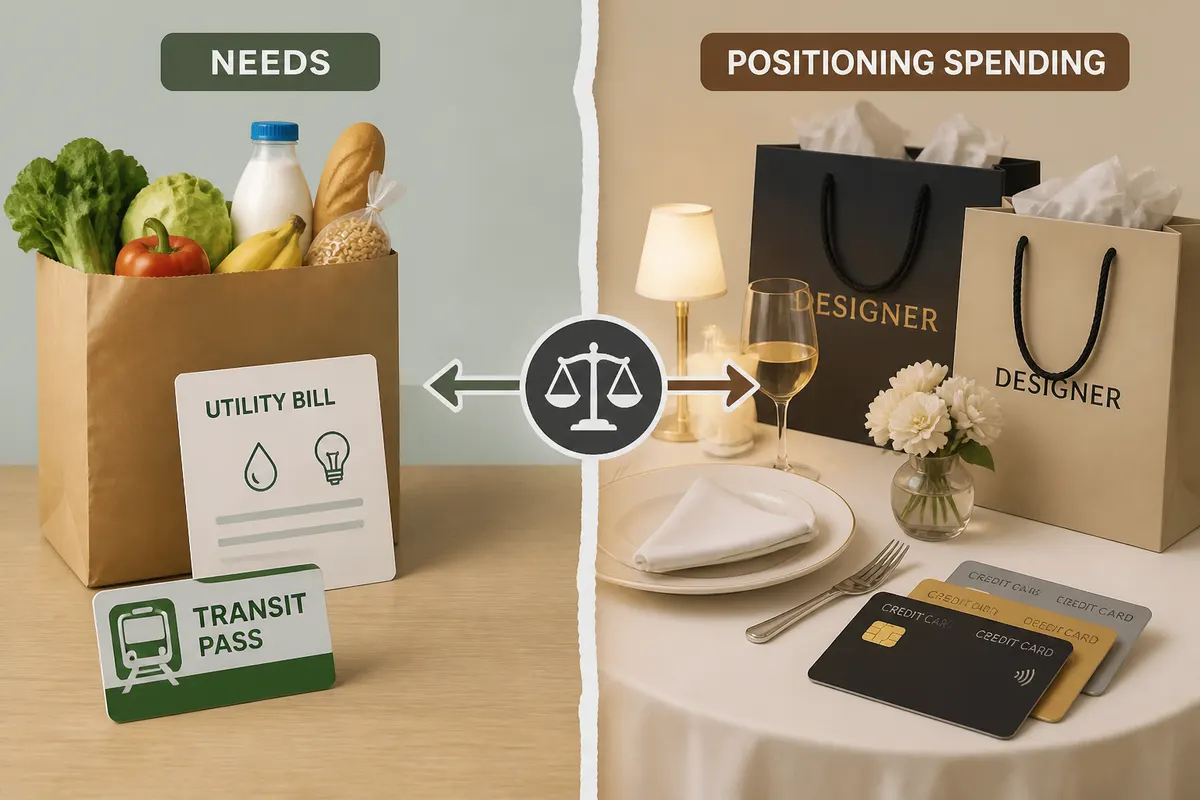
A big spending leak is what some people call positioning spending, meaning spending to signal status, avoid embarrassment, or “keep up.” It can feel harmless, but it often competes with long-term stability. The rich tend to fund baseline stability first, before they buy anything that supports an image.
That usually means strong coverage for housing, health, and utilities, plus predictable routines for things like transportation and groceries. Once those needs are handled, they treat additional spending as optionality investments, not just consumption. Optionality is your ability to choose later, like paying for skills that raise your earning power, building a professional network, or maintaining risk buffers for job changes.
| Spending Type | Main Goal | What It Looks Like | Common Trap |
|---|---|---|---|
| Needs | Stability and safety | Housing, health coverage, utilities, basic transportation | Delaying essentials to fund lifestyle |
| Optionality | Future choices | Courses, coaching, conferences, extra cash reserves | Buying “hype” instead of useful capability |
| Positioning | Status or perception | Upgrades mainly for appearance, social pressure buys | Quietly shrinking your savings rate |
3. They pay for value, not appearances

Sticker price is what you see on the tag. Value is what you actually get over time, like durability, performance, and how often you need replacements or repairs. The rich often focus on cost-per-use thinking, which is how much a purchase really costs per day, per trip, or per year of usefulness.
Luxury can play a role here, but not in the “look at me” way many people assume. They may pay more upfront for durability, better service, or products that save time later. If a higher-quality item reduces downtime, eliminates repeat purchases, or comes with better support, it can be a smarter trade even when the first number feels large.
- Ask, “What will this cost me per year of use?”
- Compare total outcomes, not just the upfront cost
- Choose upgrades that reduce future hassle and time
Paying for value means you’re buying fewer problems later, not just nicer packaging today.
4. They negotiate and optimize like it’s part of the job
People often treat negotiation as awkward, or they wait until something is already a problem. The rich tend to treat cost control like a normal job skill, because it compounds. Getting better terms can mean lower rates, fewer fees, or better service contracts, and those wins can show up monthly without changing your lifestyle at all.
They also think in time-cost tradeoffs. Sometimes comparing options is worth it, like when a subscription is expensive or a contract is long. Other times, delegation is smarter, like using a professional to handle taxes or a broker to shop financing terms. And sometimes the richest move is walking away, because bad terms cost you more than you realize.
- Review big recurring costs once or twice a year
- Negotiate fees, rates, and renewals, especially on contracts
- Delegate when your time is worth more than the comparison work
- Walk away if the offer doesn’t match the value you need
5. They build systems for long-term investing while controlling risk

Many people invest like they’re guessing. They look at headlines, feel unsure, and then either pause or jump in late. The rich often rely on consistent contributions, because discipline beats prediction. Instead of waiting for the “perfect moment,” they set up automatic investing that fits their cash flow.
But they don’t just invest, they manage risk. Downside planning includes diversification, meaning spreading money across different assets so one drop doesn’t ruin everything. Liquidity is also key, because having accessible cash helps you avoid selling investments during a bad stretch. Guardrails are simple rules that keep you on track, like limits on high-risk bets and a plan for what you do during downturns.
| Risk Tool | What It Means | Why It Helps | Simple Example |
|---|---|---|---|
| Diversification | Spread money across options | Reduces the impact of one bad area | Mix funds instead of a single bet |
| Liquidity | Have ready-to-use cash | Avoids forced selling | Keep an emergency buffer |
| Guardrails | Clear rules for decisions | Prevents emotional changes | Set limits on high-risk positions |
6. They outsource non-core work to buy back time

Time is a resource you can’t earn back. When you spend hours dealing with paperwork, guessing at health choices, or untangling legal questions, you pay with energy and focus. The rich often outsource non-core work to free that mental space for higher-value decisions.
That can include specialists for finance, health, legal matters, and operations. Outsourcing doesn’t mean giving up control, it means choosing support so the important work gets done well. And time as the real asset shows up in reduced churn and decision fatigue. If you don’t constantly re-decide the basics, you stop leaking energy into small fires, and you can stick to a long-term plan instead.
- Use professionals for taxes, legal needs, and complex financial tasks
- Invest in expert help when mistakes are expensive
- Set a review schedule, so support doesn’t turn into neglect
When you buy expertise, you’re often buying fewer mistakes and a calmer week.
7. They keep lifestyle growth proportional to financial growth

One of the clearest signs of long-term thinking is how spending changes with income. Many people see a raise and immediately raise their baseline, so savings stays flat. The rich try to keep lifestyle growth proportional to financial growth, using spending targets to prevent lifestyle creep, the slow rise in expenses that quietly blocks your progress.
They also plan big purchases with contingencies and opportunity cost in mind. Opportunity cost is the value of what you give up by choosing one thing over another, like delaying a purchase so you can invest or pay down risk. Instead of stretching their budget, they build a “yes” plan that includes extra room for surprises, so a single cost doesn’t derail saving or investing.
- Set a monthly spending cap for upgrades, dining, travel, or gadgets
- Increase lifestyle slower than your savings rate
- For big buys, include a contingency and decide what gets paused if needed
Conclusion
If you want freedom with your money, you can’t only chase higher income. You need spending habits that reduce stress, protect options, and keep you moving forward even when life gets messy. Start with the practical mindset shift: freedom-first spending habits that prioritize stability, value, and future flexibility.
This month, pick one habit you can actually stick to. Choose automation for bills or investing, set a spending target to slow lifestyle creep, or create one negotiation checklist for your biggest recurring costs. When you do that consistently, you’ll start feeling the difference, because how the rich spend money is mostly about building systems that keep choices open.
Frequently Asked Questions
How the rich spend money differently from most people?
Many people focus on earning more, but the difference often shows up in spending habits. People who build “buying freedom” protect options by reducing stress and keeping future choices open. They do this by automating bills, separating emergency savings from everyday spending, investing on a schedule, and choosing reliable value instead of purchases that create more decision-making or financial stress.
What does “buying freedom, not stuff” mean in personal finance?
“Buying freedom, not stuff” means spending choices are evaluated by how they affect your flexibility – such as lowering stress, reducing unexpected costs, and preserving future options. Instead of buying to fill an emotional need, the goal is to fund systems (like automation, cash buffers, and predictable investing) that make your finances easier to manage and less fragile.
How can I automate decisions before I automate purchases?
Start by automating the recurring decisions: set bills to autopay, schedule investing contributions, and move money earmarked for emergencies into a separate account. Then use rules for everyday categories (what gets paid first, how much goes to investing, and what’s left for spending). This lowers the daily “stress spending” chain of small decisions.
What are practical ways to build a cash buffer to reduce financial stress?
Create a separate emergency fund that’s not mixed with daily spending. Automate a regular transfer until you reach your buffer goal, and treat the buffer as off-limits for ordinary expenses. Keeping emergency money separate reduces impulse withdrawals and helps you respond to surprises without derailing your plan.
How does rules-based spending reduce impulse spending and emotional purchases?
Rules-based spending reduces the number of choices you must make under fatigue or distraction. When your categories and amounts (like bills, investing, and savings) are set in advance, you’re less likely to make purchases “to feel better.” It also limits the moment-to-moment mental load that often drives unplanned spending.
Do I need a large income to apply habits used by people who build financial freedom?
No. The article emphasizes that you can copy the underlying habits even with a smaller budget. The core ideas – automation, separating emergency funds, paying for reliable value, and negotiating costs – can be implemented with whatever amount you have by starting small and staying consistent.
How can reliable value help protect future choices?
Reliable value means you prioritize purchases that reduce stress and long-term cost – things that work consistently, last longer, or prevent repeat expenses. Instead of chasing short-term gratification, reliable choices support stability, which helps keep your options open and makes your financial plan easier to maintain.
What role does negotiating costs play in “buying freedom” spending habits?
Negotiating costs helps preserve your time and choices by preventing avoidable expenses from draining your budget. It can include reducing bills, improving contract terms, or seeking better pricing – so you retain more room for savings, investing, and day-to-day flexibility.
Sources
8 Things the Rich Spend Money on That Poor and Middle Class …