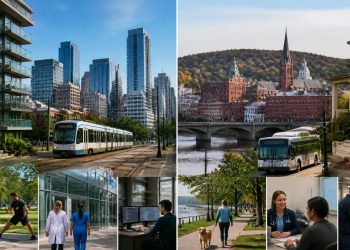
In an era where the ramifications of climate change are becoming increasingly apparent, sustainability coupled with technological innovation is not just a choice, but a necessity. The affluent echelon of society is often seen at the forefront of adopting sustainable practices facilitated by cutting-edge technologies. This article delves into the various ways wealthy individuals are integrating sustainability and technology into their lifestyle, thereby setting a precedent for eco-conscious living.
Harnessing Renewable Energy:
The transition to renewable energy sources is a hallmark of sustainable living. Wealthy individuals, with the means to invest in advanced technology, are leading the charge towards a greener future. Technologies such as solar panels, wind turbines, and geothermal systems are becoming ubiquitous in affluent communities. The adoption of renewable energy not only curtails greenhouse gas emissions but also engenders long-term financial savings by reducing energy bills1.
Investing in Sustainable Aviation:
With a penchant for travel, the affluent are turning towards sustainable aviation fuels to mitigate the environmental impact. Emerging technologies are fostering the development of eco-friendly aviation solutions, making air travel less detrimental to the environment2.
Eco-Friendly Smart Homes:
The synergy of sustainability and technology is perhaps most evident in the modern smart home. From energy-efficient appliances to smart thermostats and home automation systems, technology is empowering individuals to minimize their carbon footprint while enhancing convenience and efficiency.
Recycling and Waste Reduction:
The emphasis on recycling and reducing waste is gaining traction, with wealthy individuals advocating for and practicing responsible consumption. Advanced recycling technologies are enabling more effective waste management, thereby contributing to a circular economy1.
Sustainable Transportation:
The rollout of electric vehicles (EVs) and the promotion of cycling and walking as alternatives to conventional transportation are reflective of a growing eco-consciousness. Wealthy individuals, often early adopters of EVs, are showcasing the viability and benefits of sustainable transportation options1.
Supporting Sustainable Brands:
Affluent consumers are increasingly aligning their purchasing decisions with their values. The support for brands that prioritize sustainability and ethical practices is growing, fostering a market that values transparency and eco-friendliness3.
Innovative Agricultural Practices:
Wealthy individuals are also investing in innovative agricultural practices such as precision farming, which leverages technology to optimize the agricultural process, reducing waste, and promoting sustainability.
Conclusion:
The melding of sustainability and technological advancements is not only a trend but a lifestyle adaptation that is imperative in today’s world. The actions of wealthy individuals in this realm are not only a testament to this but also serve as an inspiration for broader societal adoption of sustainable practices.