
Introduction
You’re probably thinking about emergency savings for a reason, like when your car needs repairs right after rent hits, or a medical bill shows up sooner than expected.
That’s where the idea of money and freedom comes in – because having cash set aside changes what you can choose in the moment, not just what you feel in the abstract.
In this guide, you’ll learn how to build an emergency fund that protects your life in practical ways.
You’ll set a realistic goal, start small without stalling, pick a safe place for the money, and keep the plan sustainable.
When you’re done, you’ll have a simple system you can follow even when life gets messy.
Key Takeaways
- An emergency fund protects you from surprise costs by preventing the need for expensive credit and helping you make calmer, better decisions.
- Set a target based on your essential monthly expenses (months-of-expenses), adjusted for income volatility, dependents, and recurring medical risks.
- Start small: build a starter buffer within 30 days using a weekly automatic deposit scheduled right after payday.
- Keep the money in a safe, liquid place like a high-yield savings or money market account with low/no fees and easy transfers to avoid delays.
How Money Creates Freedom Through Emergency Safety
An emergency fund is cash you set aside for the “surprise and urgent” stuff: job loss, unexpected repairs, urgent medical costs, or a major household failure.
What it really prevents is the chain reaction that happens when you don’t have liquidity (money you can access quickly).
Instead of scrambling for high-interest credit or delaying essentials, you can handle the situation without derailing everything else.
That’s also how emergency savings connects to less stress and better choices.
When you’re not forced to make quick, expensive decisions, you can compare options like repair quotes, payment plans, or timing.
Financial education guidance from NMCRS emphasizes having a “financial game plan,” spending less than you earn, and saving for emergencies while reviewing your finances each year (see NMCRS Financial Education).
In other words, your emergency fund becomes a buffer that buys you time – and time is often what protects your life.
Set Your Target: How Much to Save and for What Risks
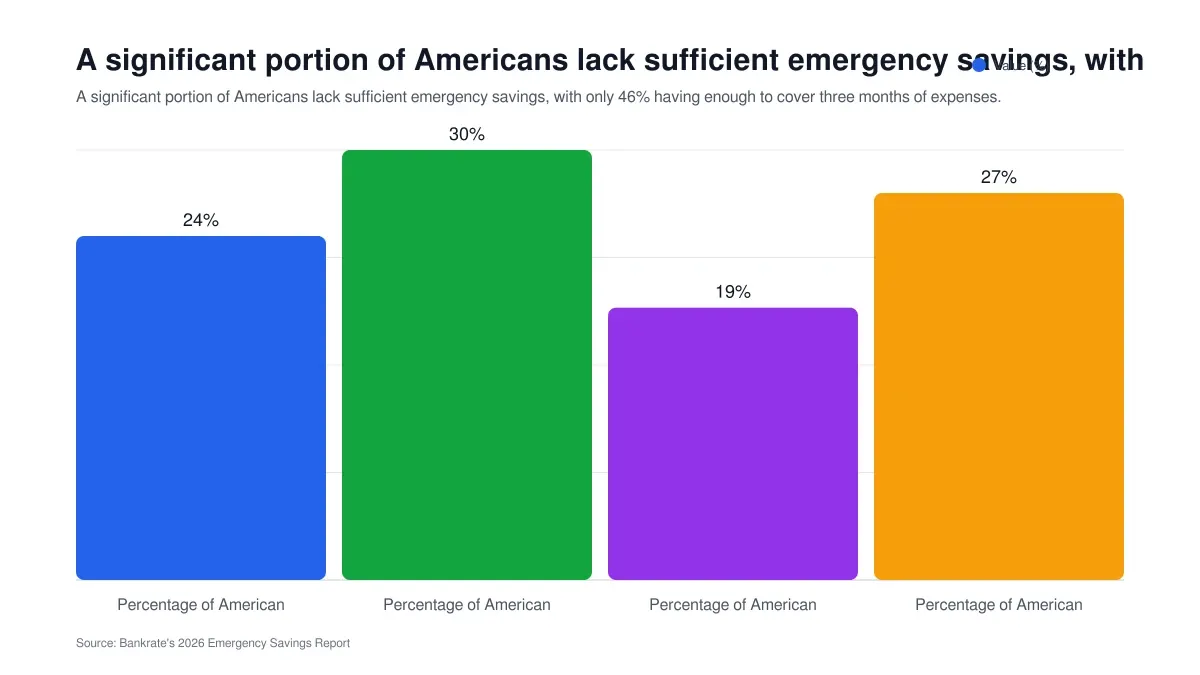
Your goal should be based on your real monthly expenses, not a random internet number.
A good starting point is a “months-of-expenses” target: you choose how many months of essential spending you want covered (housing, utilities, food, transportation, insurance, and minimum debt payments).
If your life has more fixed bills, you’ll likely need more months.
If your income is stable and expenses are lean, you can start with fewer.
Next, account for income volatility, dependents, and medical needs.
If your work varies month to month, plan for slower seasons.
If you support kids, aging parents, or anyone who depends on your income, your buffer should be sturdier.
And for medical needs, treat anything likely or recurring as part of your baseline risk so you don’t end up saving twice.
Finally, separate true emergencies from planned irregular expenses like annual subscriptions, holiday spending, or a known upcoming trip.
Emergencies are sudden and hard to budget for; irregular-but-expected costs should get their own sinking fund instead.
Quick clarity test: If you could reasonably predict it on a calendar, it probably shouldn’t drain your emergency fund.
Start Small: The First 30 Days and Your Early Win
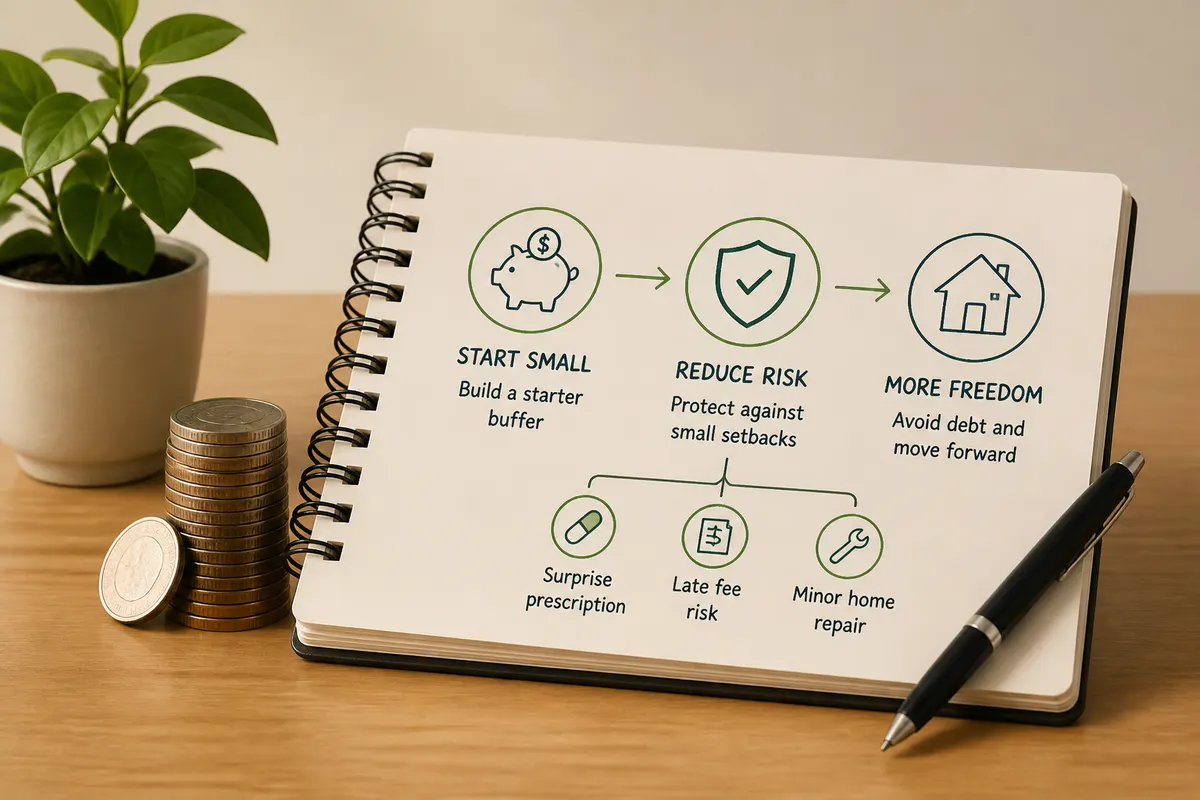
You don’t need the full goal to start building freedom.
In the first 30 days, your win is creating a starter buffer that reduces “panic spending” when something small goes wrong – like a surprise prescription, a late fee risk, or a minor home repair.
Even a modest amount can help you avoid charging essentials to credit while you get the bigger plan going.
To pick an amount you can consistently add each week, start with what you can do without breaking your budget. Choose a weekly deposit that feels uncomfortable but doable, then commit for four weeks.
Make it automatic so you’re not relying on motivation.
One simple rule: treat deposits like bills – schedule the transfer right after payday so it happens before money disappears into everyday spending.
If you need a framework, use this rhythm:
- Week 1: Set your weekly deposit and automate it.
- Weeks 2-3: Adjust your spending categories to protect that deposit.
- Week 4: Check the balance and decide your next weekly amount.
Where to Keep Your Emergency Fund So It’s Safe and Accessible
Where you keep your emergency fund matters because you need two things at once: safety from big losses and easy access when you need it.
For most people, a high-yield savings account or a money market deposit account works well because it’s liquid and designed for cash savings.
The goal is to avoid market volatility (where your balance could swing) and keep your money protected and reachable.
To choose the right account for liquidity and protection, focus on these practical checks: low or zero monthly fees, easy transfers, and reputable institutions.
Then avoid common traps like volatility, high fees, and “transfer friction.” If you have to wait days to move funds, it can turn a real emergency into a stressful delay. Also be careful with accounts that make withdrawals harder than necessary during a crisis.
Keep emergency money boring. Your emergency fund should feel like a safe landing, not a gamble.
If you want to understand how deposit insurance works in the U.S., the FDIC explains coverage and limits at FDIC Deposit Insurance Basics.
(Coverage details vary by account type and ownership, so double-check your setup.)
Make It Sustainable: Budget Moves That Keep You on Track
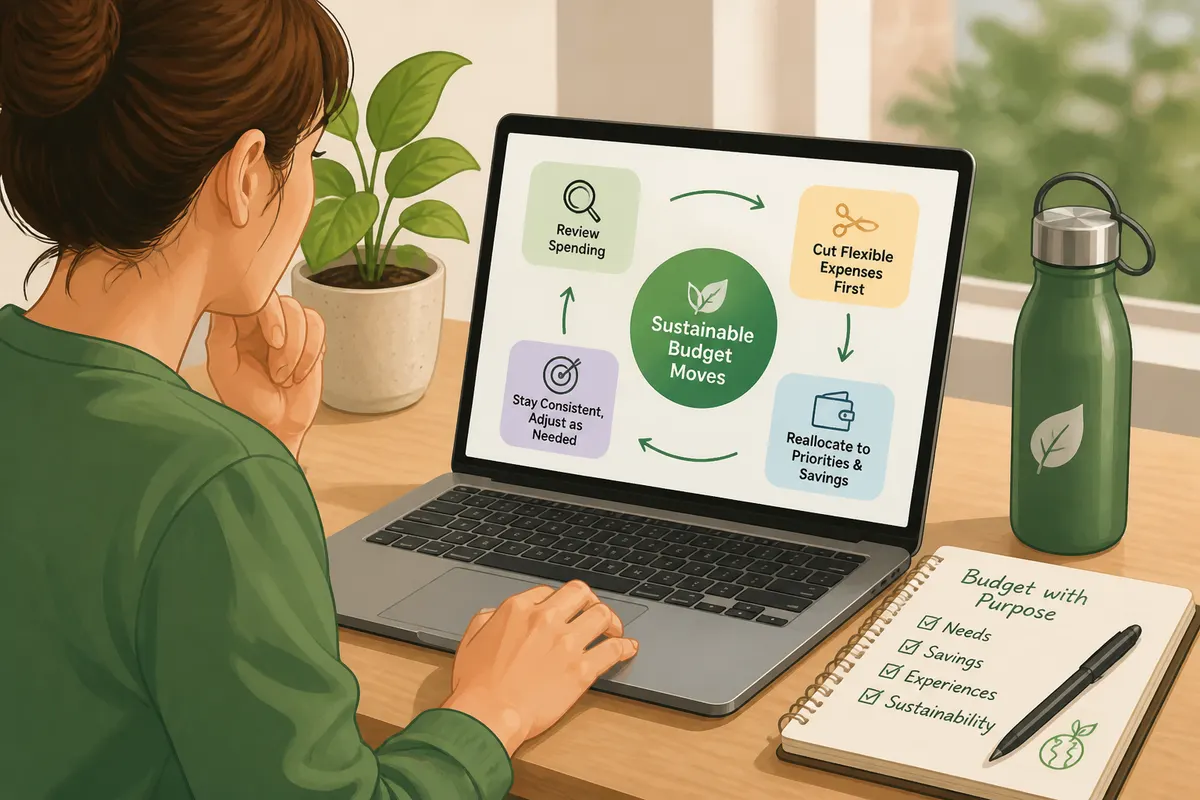
A great emergency fund plan fails if it fights your real life.
So you want budget moves that keep you on track without stripping away everything that makes life livable.
Start by cutting expense categories that are flexible first – often things like subscriptions you rarely use, dining out frequency, or convenience purchases.
Then protect the categories that truly keep you going, like groceries, transportation to work, and basic utilities.
You can also use income changes to speed things up.
If you get a bonus or a tax refund, decide ahead of time how much goes to your emergency fund versus other priorities.
The key is to avoid vague “we’ll see” plans that disappear into normal spending.
And about credit cards: keeping them for convenience is fine, but don’t treat them like emergency cover.
If you rely on credit during emergencies, you’ll often pay interest and end up slowing your emergency fund progress.
Here’s a sustainable approach you can follow:
- Pick one “cut” category and reduce it by a small, specific amount.
- Move that savings directly into your emergency fund on the same day.
- When your income rises, increase your weekly deposit – not your lifestyle instantly.
That’s how you turn small changes into a steady habit that supports your long-term financial freedom.
Use Your Emergency Fund Wisely – and Rebuild After You Spend
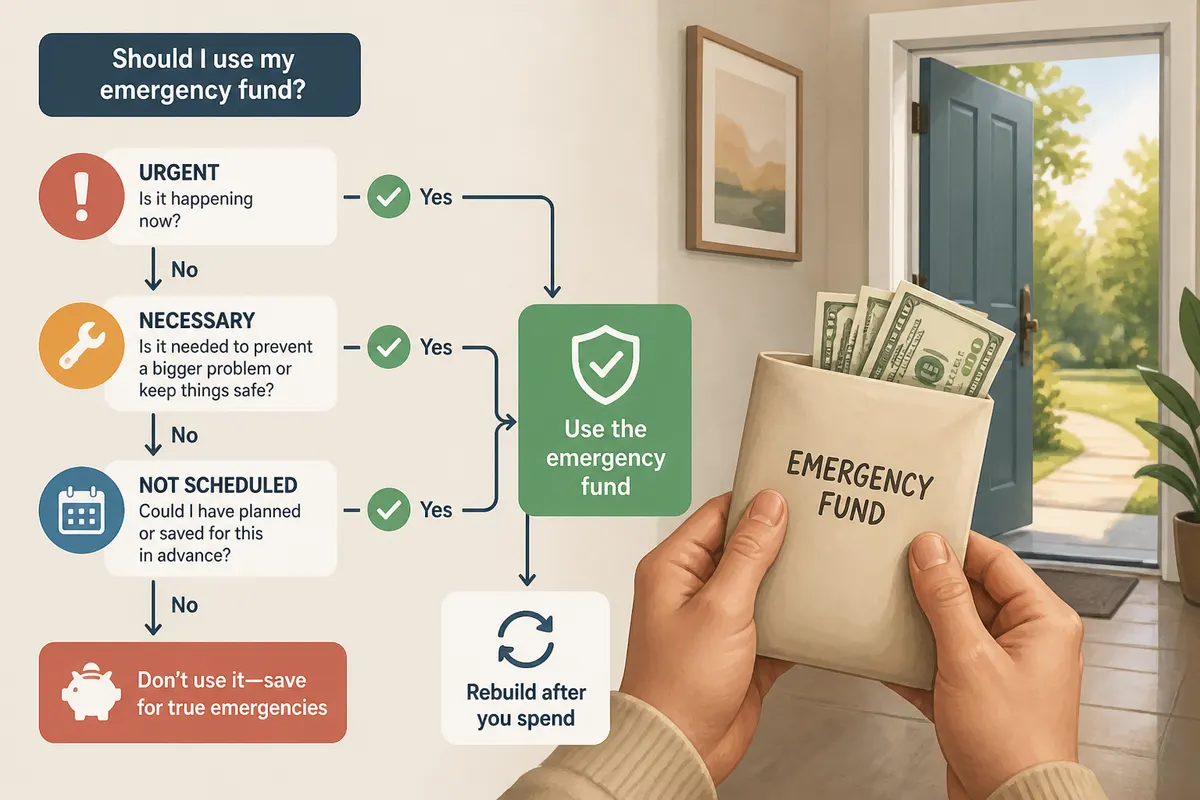
When something happens, you need decision rules so you don’t drain your emergency fund for reasons that aren’t truly emergencies.
A good rule is: dip in only when the expense is urgent, necessary, and not something you could have scheduled in advance.
If you’re deciding between delaying a repair and avoiding a bigger cost later, that usually counts as an emergency choice.
If you’re replacing a want that could wait, that usually doesn’t.
Once you spend from your emergency fund, rebuild with a replenishment plan that prevents one event from setting you back.
Keep the plan simple: set a monthly “recovery payment” based on what you can afford while still covering bills.
Track progress so you can see momentum, and update your goal as life changes – new dependents, a new job with different income stability, or changing medical risk.
| Situation | Emergency Fund? | Why It Helps |
|---|---|---|
| Car repair needed to get to work | Usually yes | Stops income disruption |
| Replacement of a planned annual expense | Usually no | Use a sinking fund instead |
| Unexpected medical bill | Usually yes | Protects health and cash flow |
| Holiday spending you didn’t budget for | Usually no | Can be planned next time |
Conclusion
Building an emergency fund is one of the clearest paths from money to freedom, because it gives you options when life suddenly gets expensive.
You start by choosing a target based on your months of essential expenses, then create a starter buffer quickly so you’re not waiting for a perfect plan.
After that, pick a safe, accessible place for your cash, keep your deposits sustainable, and use smart decision rules when you need to spend.
When you follow this system, you’re not just saving cash – you’re protecting your life and your choices.
That’s what financial freedom looks like in real time, and it starts with your emergency fund.