
Introduction
When people ask how do wealthy people live, they often picture a life of constant spending. But the bigger difference is usually how they protect their time, manage risk, and keep decisions aligned with long-term goals.
In this 2026 guide, you’ll see the practical habits behind “staying ahead,” from daily routines and mindset to investing, health, relationships, and estate planning. You don’t need to copy a rich lifestyle to borrow what works. You just need a simple system that turns money, time, and attention into a steadier life.
Key Takeaways
- Wealthy people protect time like a budget: plan mornings, schedule “big rocks,” reduce reactive messages, and keep focus blocks before distractions.
- They think long-term and weigh tradeoffs: avoid decisions with unclear downside, separate facts from stories, and write decision criteria first.
- Wealth compounding comes from diversification, low costs, and tax awareness: split money by time horizon and plan withdrawals to reduce drag.
- They treat health, relationships, and reputation as assets: prioritize preventative care, build family communication routines, and stay consistent for credibility.
- Staying ahead relies on leverage: automate and delegate (bill pay, transfers, document organization) to reduce friction and costly mistakes.
How Do Wealthy People Live Day to Day in 2026
Day to day, wealthy people tend to treat time and energy like budgets. Their mornings often start with a clear plan, fewer reactive messages, and protected focus blocks, because small delays add up fast. They also watch their calendar the way you might watch your bank account, making sure the “big rocks” get scheduled before the noise.
Lifestyle choices usually signal priorities more than status. You’ll often notice they spend on convenience, safety, and quality of life, then skip the rest, like avoiding wasteful subscriptions or constantly upgrading gadgets. Even when they enjoy luxury, it’s often tied to comfort, health, or efficiency, not just display. The result is a life that feels easier to run, and that steadiness is a real advantage.
Wealth Building Mindset and Decision-Making Habits
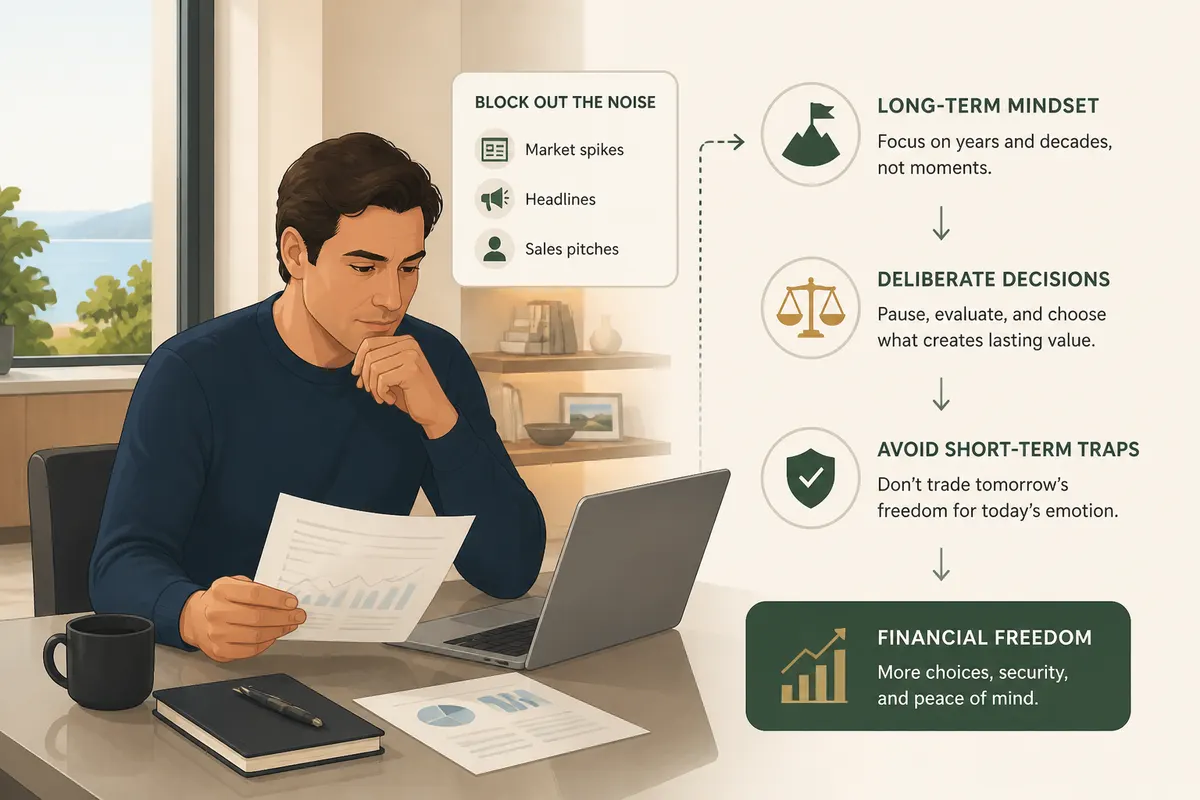
Wealthy people often win by thinking longer than the moment. Instead of reacting to a spike, a headline, or a sales pitch, they look for what matters over years and decades. That doesn’t mean they never enjoy today, it means they avoid decisions that trade tomorrow’s freedom for today’s emotion.
They’re also more deliberate about risk, tradeoffs, and opportunity cost, which is the value of what you give up when you choose one option. A simple example: they might pass on an “easy” investment with unclear risks because the cost is not just money, it’s time and attention. Here’s the mindset behind many good calls: if the downside is hard to explain, it’s often not worth the upside.
- Write down the decision criteria before you decide.
- Separate facts you can verify from stories you want to believe.
- Ask what else you could do with the same time and cash.
Investment Strategies That Keep Wealth Compounding

Compounding is rarely about picking one perfect asset. It’s usually about staying invested through cycles while using diversification to reduce the chance that one bad outcome derails you. Many wealthy households spread investments across different types of assets, and they also vary by time horizon, meaning some money is meant for short-term needs while other money can stay invested longer.
They’re also tax-aware. That means they think about where returns are generated and how withdrawals are taxed later, not just what the headline return looks like today. Wealth preservation becomes a priority, because taxes, fees, and avoidable mistakes can quietly cut compounding over time. If you’re building wealth yourself, start with a simple rule: choose diversified building blocks, keep costs low, and make a plan for taxes before you need the money.
| Goal | Common Wealthy Approach | What You Can Copy |
|---|---|---|
| Short-term spending | Lower volatility options, easier access | Keep this portion separate from long-term investing |
| Long-term growth | Diversified holdings that can ride out downturns | Use broad diversification instead of single-idea bets |
| Reducing drag | Tax planning and fee control | Track costs and learn basic tax impact before buying |
Protecting Health, Relationships, and Reputation as Assets
Wealthy people often treat health and relationships as part of their net worth. When your body and mind are stable, you can work better, travel safer, and recover faster from setbacks. That tends to show up as preventative care planning, not just emergency fixes, plus habits that reduce avoidable risk like sleep routines and regular movement.
Family systems matter too, because financial stress can damage trust even when investments are strong. Many wealthy households build routines for communication, like scheduled check-ins, clear role expectations, and shared plans for big goals. Reputation is the last piece, and it works like a long-term asset: you keep credibility with clients, partners, and community members through consistent behavior.
“Your future spending power depends on your health and your network, not just your account balance.”
- Schedule preventative checkups and follow up early.
- Create a simple family plan for budgeting and major decisions.
- Protect reputation by being consistent and clear.
Using Time, Networks, and Advisors to Stay Ahead

Staying ahead is often about leverage, not effort. Delegation and automation are big themes, because wealthy people generally assume their time has higher value than doing everything themselves. Even simple tools, like automatic bill pay, recurring transfers, or organized document storage, reduce friction and prevent costly misses.
They also rely on trusted advisors, whether it’s a financial professional, a tax specialist, a lawyer, or a domain expert in their industry. The point isn’t to outsource thinking, it’s to avoid blind spots. Networks help with both information and opportunities, and many wealthy people focus on building relationships in communities where good deals and reliable people are more likely to show up. Deal flow is not magic, it’s the result of consistent trust and good presence.
- Automate repetitive money tasks so you don’t forget.
- Delegate the parts that don’t reward your skills.
- Use advisors as “second pairs of eyes,” not decision-makers.
- Keep relationships warm through steady, useful contact.
Lifestyle Spending, Risk Management, and Estate Planning

Spending is where many people with money can still feel unstable, so wealthy households often use frameworks to stay aligned with goals. Instead of saying yes to every upgrade, they decide what upgrades improve their health, safety, learning, or time savings. Then they set boundaries, like a spending budget tied to real priorities, not just the latest trend.
Risk management is just as important. Insurance, liquidity buffers, and emergency planning help prevent one bad event from forcing bad decisions. Estate planning also plays a quiet but huge role, because it reduces uncertainty for loved ones and helps preserve what you’ve built across generations. You don’t have to be ultra-rich to benefit from this approach, though you should match complexity to your situation.
| Area | Why It Matters | Simple Starting Action |
|---|---|---|
| Spending framework | Prevents lifestyle inflation | Track “wants” vs “value adds” for purchases |
| Liquidity buffer | Avoids selling investments at the wrong time | Keep accessible cash for emergencies |
| Insurance | Limits large, unpredictable losses | Review coverage annually as life changes |
| Estate planning | Protects families and clarity | Confirm documents are up to date |
Conclusion
If you’re wondering how do wealthy people live and stay ahead, the pattern is pretty consistent. They protect time and energy, make decisions with long-term thinking, diversify to keep compounding steady, and manage risks before problems grow.
They also invest in health, relationships, and reputation, because those are the engines behind stable performance. Finally, they use leverage through delegation, automation, and trusted advisors, which keeps them from being trapped in busywork. You can borrow these habits at any income level by starting small, building systems, and focusing on what reduces downside while improving your chances over time.
Frequently Asked Questions
How do wealthy people live day to day in 2026?
Many wealthy people manage life like a set of budgets – especially their time and attention. They start with a clear plan, protect focus blocks, and reduce reactive interruptions (like constant back-and-forth messages). They also prioritize what matters by scheduling the “big rocks” before minor distractions.
What mindset helps explain how wealthy people live?
A common theme is long-term alignment: wealthy people focus on decisions that compound over time and reduce unnecessary volatility. Instead of chasing status, they treat lifestyle choices as signals of priorities – spending on convenience, safety, quality of life, and efficiency, while cutting waste (such as redundant upgrades or subscriptions).
How do wealthy people protect their time and attention?
They often protect time by using a clear daily plan, limiting reactive communication, and creating protected focus periods. The idea is that small delays and constant interruptions add up quickly, so they actively reduce noise and guard their most important work.
How do wealthy people make better decisions compared to everyone else?
They tend to keep decisions aligned with long-term goals. Practically, this means thinking in systems (not impulse), checking whether an action supports the bigger plan, and managing risk rather than reacting to short-term swings. This helps them avoid choices that feel good now but cost more later.
Do wealthy people spend money differently than non-wealthy people?
Often, yes. They may spend more on convenience, safety, comfort, health, and quality – things that improve day-to-day effectiveness – while skipping purchases that don’t add real value. They also avoid “status drift,” where spending grows simply because of upgrades or trends rather than actual needs.
How can I borrow habits that help me live more steadily like wealthy people do?
You don’t need to copy a rich lifestyle; focus on building a simple system for money, time, and attention. Start by creating a daily plan, scheduling your highest-impact tasks first, reducing unnecessary subscriptions or frequent upgrades, and making spending choices that support long-term goals.
What role does risk management play in how wealthy people live?
Wealthy people generally view risk as something to manage, not something to ignore. In daily life this can look like planning ahead, avoiding avoidable volatility, and making decisions that protect future options – so they’re less dependent on luck or short-term outcomes.
Why do wealthy people focus on scheduling priorities before distractions?
Because they treat time like a finite budget. Scheduling “big rocks” first helps ensure important work isn’t crowded out by smaller demands. This creates steadier progress and reduces the chaos of constant reactivity, which can improve both productivity and decision quality.
Sources
NIST Artificial Intelligence Resources
OECD Artificial Intelligence Policy Observatory
U.S. Small Business Administration Technology Guidance